Escape games where the kids get to be right first
Puzzles built for mixed ages: visual, tappable and short on text, so an eight-year-old can spot the answer while a grown-up reads the story.
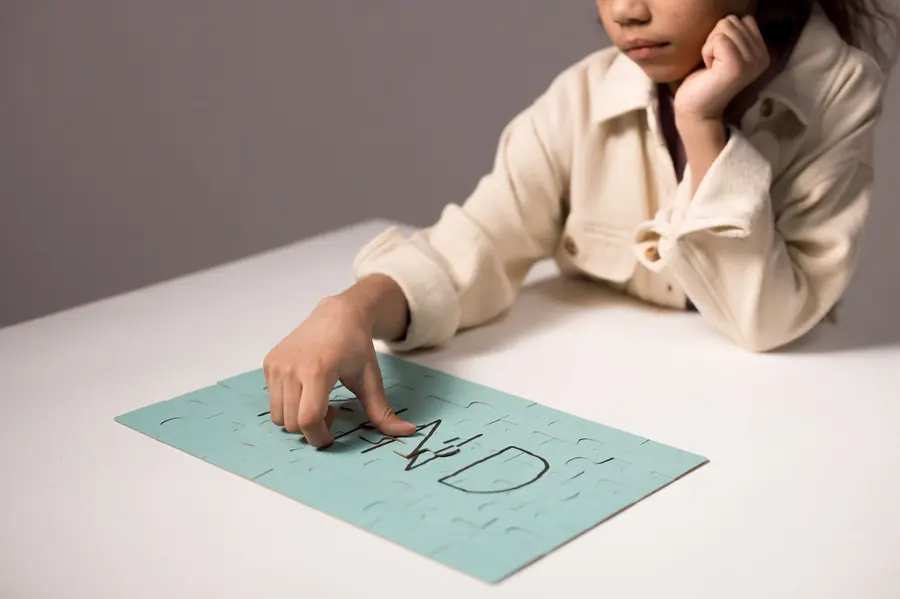
What "family-friendly" means to us
It is not just a rating. It means the puzzles have an "eyes" part and a "words" part, so a child who cannot read the label can still be the one who finds the odd fossil. It means the story is warm rather than spooky. It means the hints are written so a Grade 3 reader can use the first two alone, and the grown-up only steps in for hint three.
It also means an hour is the ceiling. Sixty minutes is roughly the point where a nine-year-old's interest and a parent's patience run out together, so the museum game is paced to end before either does, with a certificate at the end that can be coloured in.
Nights it was built for
- March break, day three. Rain, no plan, two kids who have run out of screen-time goodwill. Fifty minutes at the kitchen table on a tablet.
- Family Day in February. Half the family in Calgary. A video call, the museum game, grandparents reading the night guard's lines in a voice.
- Thanksgiving, between dinner and pie. The Cabin Fever Kit at a table of ten, cousins in teams, an uncle guarding the envelope.
- The week after Boxing Day. Everyone home, nothing on. One browser game per evening, then the demo again because the youngest wants to beat her time.
Tips from parents in our play groups
Let the youngest hold the tablet; the tapping is the fun part. Give the reader a silly voice and stick with it. Do not pre-solve for them: the museum game is designed so that a wrong tap costs nothing, and children learn the room faster when they are allowed to poke at it.
If you have a very keen twelve-year-old, The Lighthouse Keeper is a good next step. It is quieter and longer, but nothing in it is inappropriate, and the ending has started more than one dinner-table conversation about what lighthouse keepers actually did.
A note on screens
The browser games are on a screen, but they are not the kind of screen time that happens alone in a bedroom. They work best with one device for the whole table, passed around. The printable kit needs no screen at all, apart from a phone as a timer, which is exactly why a lot of parents ask for it in winter.
Family questions
What is the youngest sensible age?
Eight for the museum game with an adult reading. Younger siblings can join for the picture puzzles. The lighthouse suits twelve and up because of its length and its quieter mood.
Do the games teach anything?
We do not sell them as educational, but they lean on reading, pattern-spotting, simple ciphers and taking turns. The demo's first puzzle is a Canadian history question, and you will hear the year again in Grade 5.
Can grandparents join from another city?
Yes. Give them the reading role over a video call. It works across time zones and gives them a real job in the game rather than watching.
Start with the demo
Ten minutes, one tablet, the whole table. The second puzzle is a cipher most nine-year-olds crack with a single hint.
Play with the kids